

March 16, 2026
- Standards & Certifications
UL Listed vs. Tested to UL 752: Understanding the Difference
While they are closely related, they refer to different aspects of how ballistic products are evaluated and documented. For architects, security consultants, and facility stakeholders responsible for selecting ballistic glazing systems, understanding this distinction can help clarify how product performance claims are verified and how testing standards are applied in practice.
As a manufacturer of bullet-resistant glazing systems, Insulgard regularly collaborates with design professionals and security specialists to interpret ballistic standards and identify solutions that meet project-specific protection requirements.
UL Listed – What Does it Mean?
Underwriters Laboratories (UL) is an independent organization that develops safety standards, tests products to those standards, and administers compliance certifications across a wide range of industries.
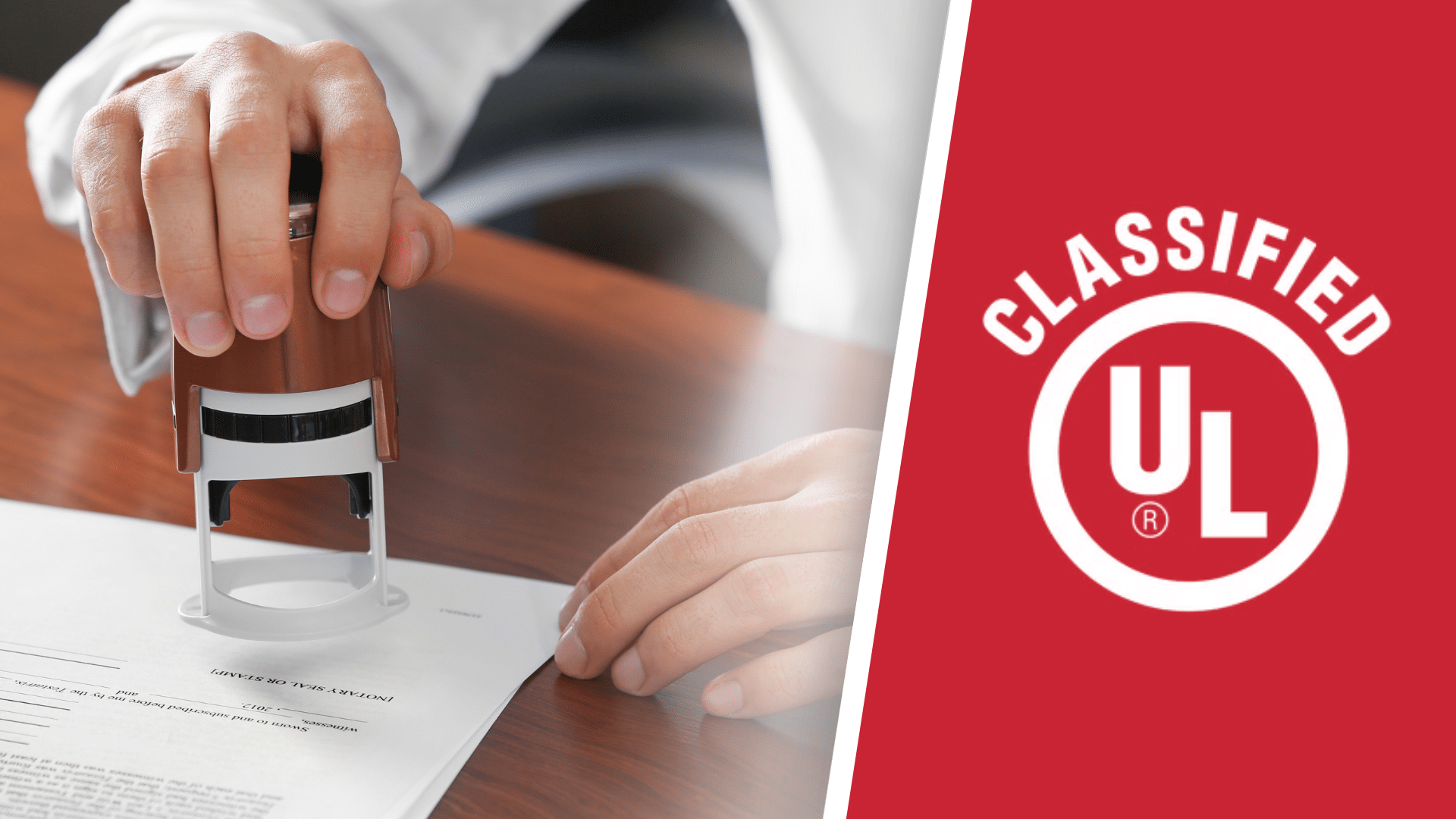
A product described as UL listed has undergone rigorous safety tests performed at UL labs. Products that pass UL testing are marked with the UL seal, certifying that the product has met stringent third-party standards. Not only do UL listed products bear the UL mark, but they are also included in UL’s public certification directory, where specifiers and regulators can verify the listing.
A UL listing also involves ongoing oversight. Manufacturers of UL listed products are subject to ongoing factory surveillance for compliance verification. These visits help confirm that products being manufactured continue to match the configuration that was originally evaluated. Additionally, periodic re-testing is required to maintain the product’s UL listing.
For products used in life-safety applications, this certification structure provides a framework for verifying that the tested design remains consistent with what is installed in the field.
What Is UL 752?
UL 752 is the ballistic test standard used to evaluate bullet-resistant windows, doors, glazing, and related assemblies. It is the most commonly cited ballistic standard in North America. The standard establishes a set of defined procedures used to determine whether a glazing system can withstand specific ballistic threats.
UL 752 defines eight protection levels, each associated with a particular firearm, ammunition type, and projectile velocity. The testing procedure also specifies the number of shots, shot placement, and shot spacing requirements.
To meet the standard, bullet-resistant systems must satisfy key performance criteria during testing, including:
- Stopping a bullet from penetrating the glazing system.
- Preventing spall from contacting a witness panel placed behind the tested material.
- Maintaining integrity after sustaining a ballistic attack.
These requirements ensure that both the structural integrity of the glazing and the potential for hazardous fragments, or spall, are evaluated during the ballistic test.
UL 752, therefore, functions as the technical rulebook for ballistic testing of glazing systems.
What Does “Tested to UL 752” Mean?
Products described as tested to UL 752 have undergone ballistic testing using the procedures defined by the UL 752 standard. This testing confirms that the product demonstrated the required performance when subjected to the specified ballistic conditions.
In some cases, this testing may be conducted by independent accredited laboratories that can provide ballistic evaluations using the UL 752 protocol. The result is typically a formal test report documenting the conditions and outcomes of the test.
This documentation confirms that the product performed according to the UL 752 criteria during the evaluation. However, the phrase “tested to UL 752” refers specifically to the ballistic test itself, rather than to a product certification.
Products tested to UL 752 by any third-party lab other than UL do not carry the official UL label. Therefore, manufacturers of those products are not required to retest products or comply with ongoing factory inspections.
Understanding this distinction can help readers interpret how product performance claims are described in technical documentation.
Understanding the Difference Between Tested to UL 752 & UL Listed
Although the terms are related, tested to UL 752 and UL listed describe two different aspects of product evaluation.
- UL 752 refers to the ballistic testing standard established by UL.
- Tested to UL 752 indicates that a product meets the performance requirements outlined by the UL 752 testing protocol.
- UL listed means that a product has passed testing performed by UL labs and appears in UL’s certification directory.
Key Differences
| TESTED TO UL 752 | UL LISTED |
|---|---|
| Tests are performed by third-party labs | Products pass rigorous safety tests performed at UL labs |
| Products are not listed in UL certification directory | Products are listed in UL certification directory |
| Products do not carry the official UL label | Only UL listed products may carry UL labeling |
| Factory surveillance is not required | Products are subject to ongoing factory surveillance |
| Re-testing is not required | Periodic re-testing is required to maintain the listing |
In practice, the difference often reflects the distinction between a documented ballistic test report and participation in a formal certification process administered by UL.
For professionals reviewing product documentation, recognizing how these terms are used can provide valuable context when comparing ballistic glazing solutions or reviewing specification requirements.
What This Means When Selecting Ballistic Glazing
When evaluating bullet-resistant glazing systems, several factors typically influence product selection, including:
- The facility’s risk tolerance.
- The threat level, as defined by UL 752 protection levels.
- Project-specific security requirements.
- Architectural, structural, and design constraints.
- Documentation supporting ballistic performance claims.
- Certification or listing requirements specified by the project.
Understanding whether a product has been tested to the UL 752 standard or is UL listed under that standard can help clarify how its performance has been evaluated and documented.
In many cases, this information becomes particularly important when interpreting specification language or verifying that proposed glazing systems align with the intended protection level for a facility.
Aligning Ballistic Protection with Project Needs
Selecting ballistic glazing systems requires balancing multiple considerations, including threat assessment, building design, and performance documentation.
Standards such as UL 752 provide a consistent framework for evaluating ballistic resistance, while certifications such as a UL listing help verify that products comply with those standards.
Insulgard’s ballistic glazing systems are tested to the UL 752 ballistic standard and are UL listed, meaning the products are marked with the UL label, appear in UL’s certification directory, and are subject to ongoing compliance verification.
Our team works with architects, security consultants, contractors, and facility stakeholders to interpret ballistic testing standards and identify glazing solutions that align with each project’s specific protection objectives.
By reviewing threat levels, design conditions, and applicable standards, appropriate ballistic glazing systems can be selected to meet the needs of each facility.
Understanding how ballistic testing standards and certification programs work together helps ensure that glazing solutions are evaluated and specified with clarity and confidence.