
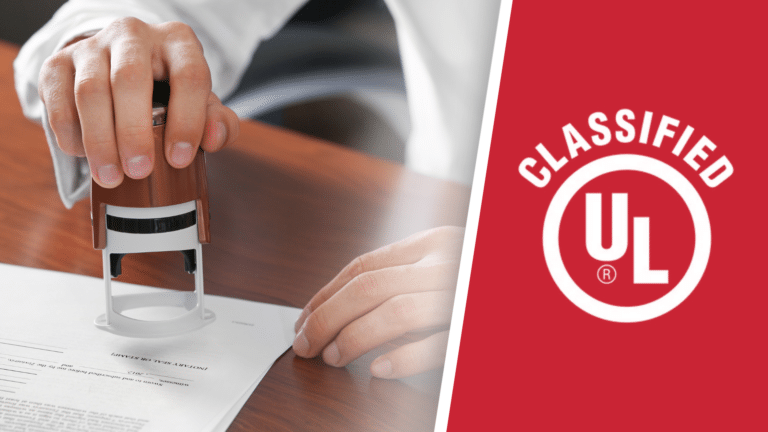
UL Listed vs. Tested to UL 752: Understanding the Difference
In discussions about bullet-resistant windows, doors, and glazing, it’s common to hear terms such as UL 752, tested to UL 752, and UL listed.
In discussions about bullet-resistant windows, doors, and glazing, it’s common to hear terms such as UL 752, tested to UL 752, and UL listed.

In recent years, window film has gained attention as a potential security enhancement, particularly in schools, government buildings, and public facilities.

In ballistic glazing discussions, terms such as no spall and low spall are often used, sometimes interchangeably.
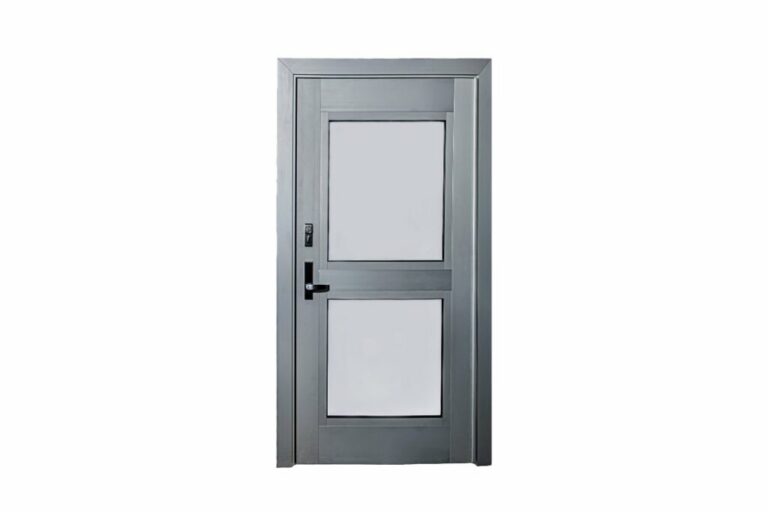
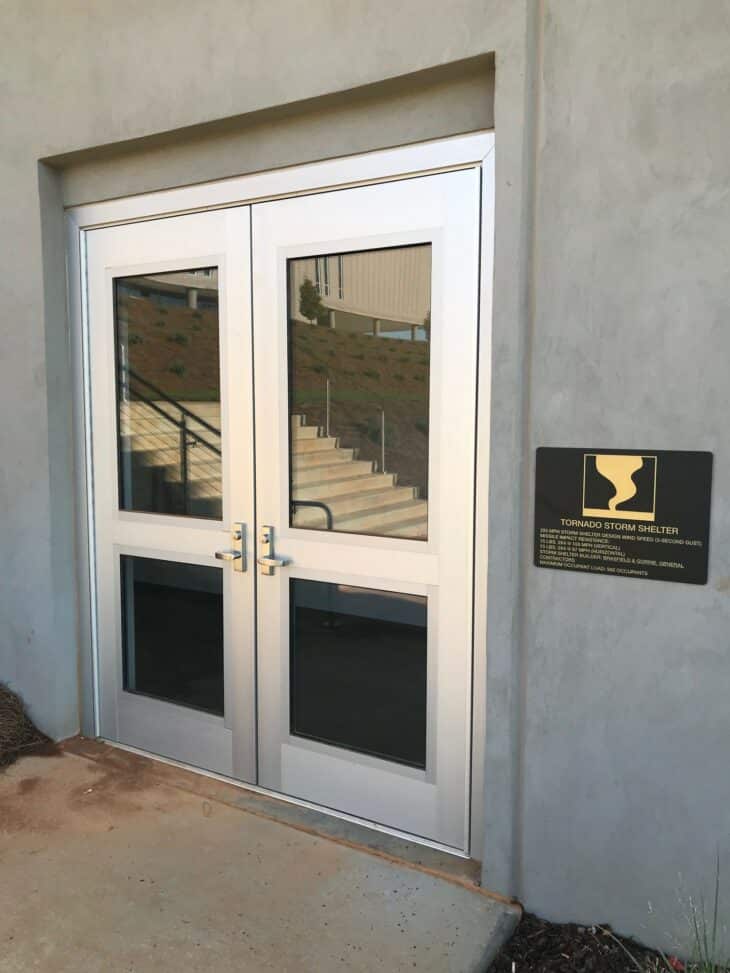
ICC 500 tested doors are a must for storm shelters in schools, police stations, and other public safety buildings in areas prone to extreme weather events like tornadoes and hurricanes. Doors are an essential part of these structures, but all elements must face rigorous testing to live up to these standards.

Hurricane and tornado safe rooms can be incredibly beneficial for maintaining public safety during extreme weather events. These structures are even required in certain community centers and public buildings located in areas prone to these major storms.
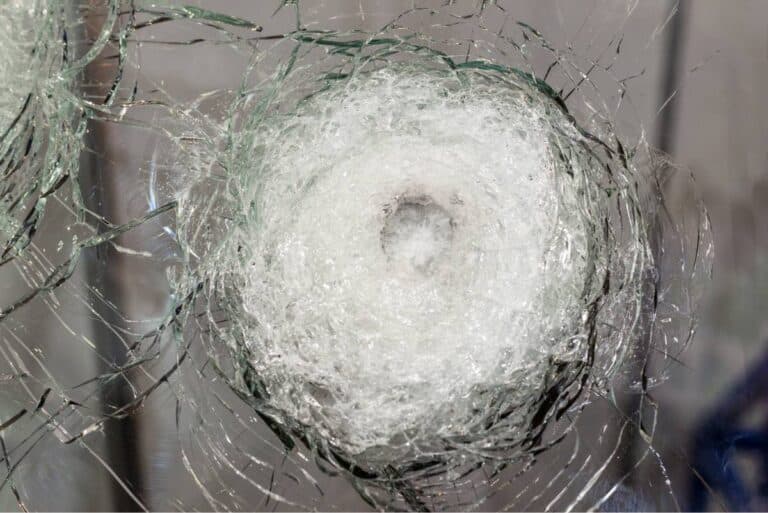
UL is a globally recognized safety science brand that provides standards and testing protocols that are relevant to a huge array of different industries. In the bullet-resistant glass field, the most relevant UL testing standard is UL 752. That is the specific protocol that is often referenced when someone mentions “UL-rated windows.”
UL 752 is the top industry testing standard for bullet resistant materials, and is where the term “UL-rated” comes from when referring to bullet proof windows. The most important consideration when selecting these materials is their ability to withstand any potential threats that a building may face. However, architects, designers, and building owners must also consider practical factors like durability and visibility.
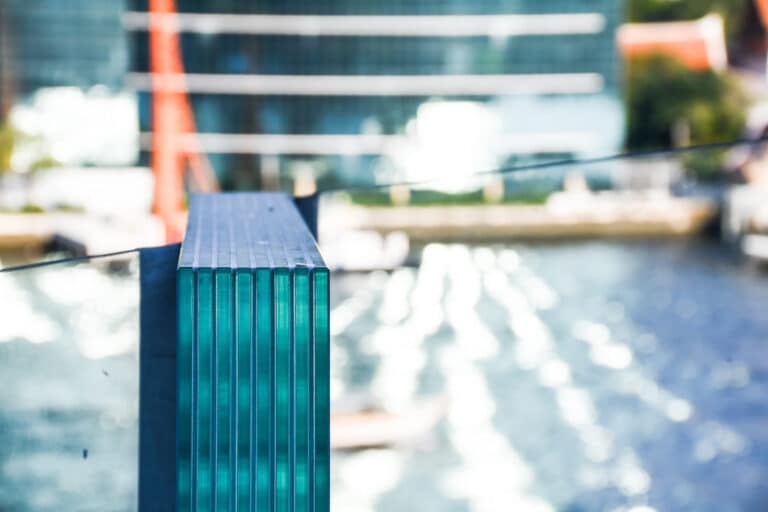
As identified by UL 752 standards, the highest level of bulletproof glass historically available has been Level 8, which is made to withstand five rounds from a 7.62mm rifle allowing for no penetration of the bullet and no glass spall. However, recently, UL 752 has added level 9 (1 shot from a.30-06 caliber rifle) and level 10 (1 shot from a .50 caliber rifle). Bullet Resistant Glass would withstand up to a .50 Caliber round from a high-powered rifle.

In a world that seems to be becoming more and more violent, there is an increased demand for protection from ballistic and even environmental threats in the building and construction industry. Performance plastic materials are playing an important role in filling this need. From Federal buildings to local police stations, from corporate headquarters to customer service centers, from college campuses to your local elementary schools, security is becoming an increasingly important part of the design of these buildings.
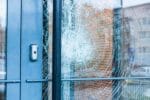
In order to understand what bullet resistant glass is right for your building or structure, you first need to understand the different ballistic standards that are used to measure the level of protection each product provides. The UL 752 ratings offer a system for understanding ballistic protection in bullet resistant glass for a variety of use cases and products (ex. transaction security barriers). Here’s some more information to help you understand what the UL 752 levels mean.
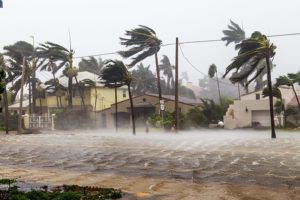
If you’re going to design a building that includes a safe room, there are many different factors to take into consideration. A safe room is a hardened structure within a building that is designed to provide protection in extreme weather events like tornadoes and hurricanes. FEMA offers some guidelines on construction and testing for safe room doors and other building components recommended for commercial safe rooms.
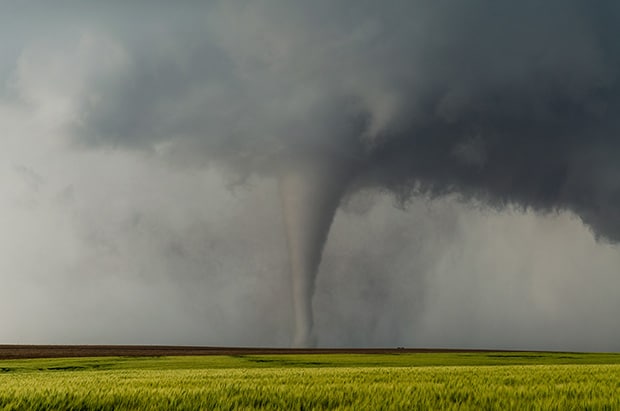
If you’re designing a building that includes a tornado-safe room, which is required in public buildings in some parts of the country, then you need to familiarize yourself with the legal requirements that those shelters must meet in order to be compliant.